

Unlocking Creativity and Learning with Wooden Educational Toys
In a world dominated by digital screens and electronic gadgets, the timeless appeal of educational toys remains unparalleled. These charming and durable playthings capture children’s imagination and serve as powerful tools for fostering cognitive development. In this article, we will explore the myriad benefits of incorporating wooden educational toys into a child’s playtime, delving into their impact on creativity, problem-solving skills, and overall cognitive growth.
The Timeless Allure of Educational Toys
Educational toys have been cherished for generations, standing the test of time as classic playthings that transcend fleeting trends. Crafted from natural materials, these toys exude a warmth and authenticity that is often lacking in their plastic counterparts. The tactile experience of handling wooden toys provides a sensory delight for children, encouraging them to explore the world through touch and feel. These toys’ organic textures and smooth surfaces engage a child’s senses, creating a multisensory learning environment that lays the foundation for a holistic developmental journey.
Cultivating Creativity through Play
One of the key advantages of educational toys is their ability to spark creativity in young minds. Unlike electronic toys that often dictate the play scenario, wooden toys offer a blank canvas for a child’s imagination to run wild. From building intricate structures with wooden blocks to creating imaginary worlds with wooden figurines, these toys empower children to take charge of their playtime. The open-ended nature of wooden toys encourages problem-solving and imaginative thinking, fostering a creative mindset that extends beyond the realm of play into various aspects of a child’s life.
Enhancing Fine Motor Skills with Wooden Puzzles
Wooden puzzles are a staple in the world of educational toys, renowned for their effectiveness in honing fine motor skills. The process of manipulating puzzle pieces and fitting them into their designated spaces requires precision and coordination, providing a subtle yet impactful workout for a child’s developing motor skills. As little hands grasp, twist, and turn the wooden pieces, they are unknowingly enhancing their hand-eye coordination and dexterity. This prepares them for academic challenges and lays the groundwork for future activities that demand nimble fingers, such as writing and crafting. Wooden educational toys crafted from renewable resources align with the principles of sustainability.
The Educational Power of Building Blocks
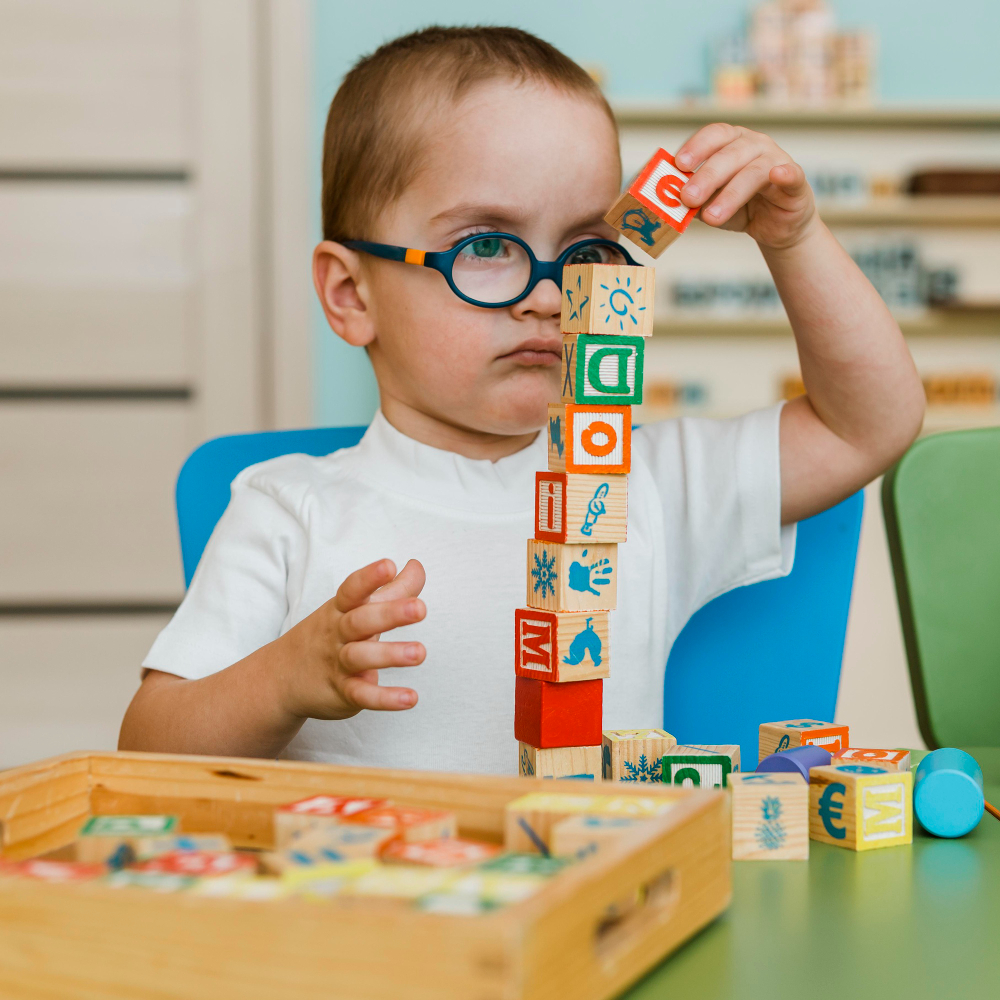
Wooden building blocks are iconic symbols of early childhood development, offering a wealth of educational benefits in a deceptively simple form. As children stack, balance, and construct with these blocks, they engage in a process far beyond mere play. The spatial awareness developed through arranging blocks in various configurations contributes to a child’s understanding of shapes, sizes, and spatial relationships. Moreover, the stacking and balancing act requires strategic thinking and planning, fostering the early seeds of mathematical and engineering skills.
Sustainable Learning for Future Generations
In an era where sustainability is a pressing concern, the choice of educational toys becomes more than a matter of child’s play; it becomes a conscious decision towards a greener future. Choosing these toys provides children with a rich learning experience and instils in them a sense of environmental responsibility. As we navigate an increasingly interconnected world, the importance of fostering a mindset of sustainability and conservation from a young age cannot be overstated.
Choosing Quality Toys
When it comes to selecting educational toys for children, quality is paramount. Investing in well-crafted toys ensures durability and safety, crucial factors in a child’s play environment. Look for toys made from non-toxic, child-safe materials and consider the craftsmanship that goes into each piece. Additionally, choosing toys that align with a child’s developmental stage maximises educational benefits. Whether it’s a set of alphabet blocks for early learners or a complex wooden puzzle for older children, tailoring the choice to the child’s age and developmental needs is key.
Conclusion:
In the hustle and bustle of modern life, the simple joy of play often takes a backseat to the demands of academics and extracurricular activities. However, the integration of wooden educational toys into a child’s daily routine offers a seamless blend of fun and learning. From fostering creativity and fine motor skills to instilling a sense of sustainability, these timeless toys play a crucial role in shaping the minds of future generations. As we embrace the educational power of wooden toys, we embark on a journey towards holistic development, nurturing young minds with the wisdom that only natural, tactile play can provide.