Cultural Do’s and Don’ts Every Traveler Should Learn
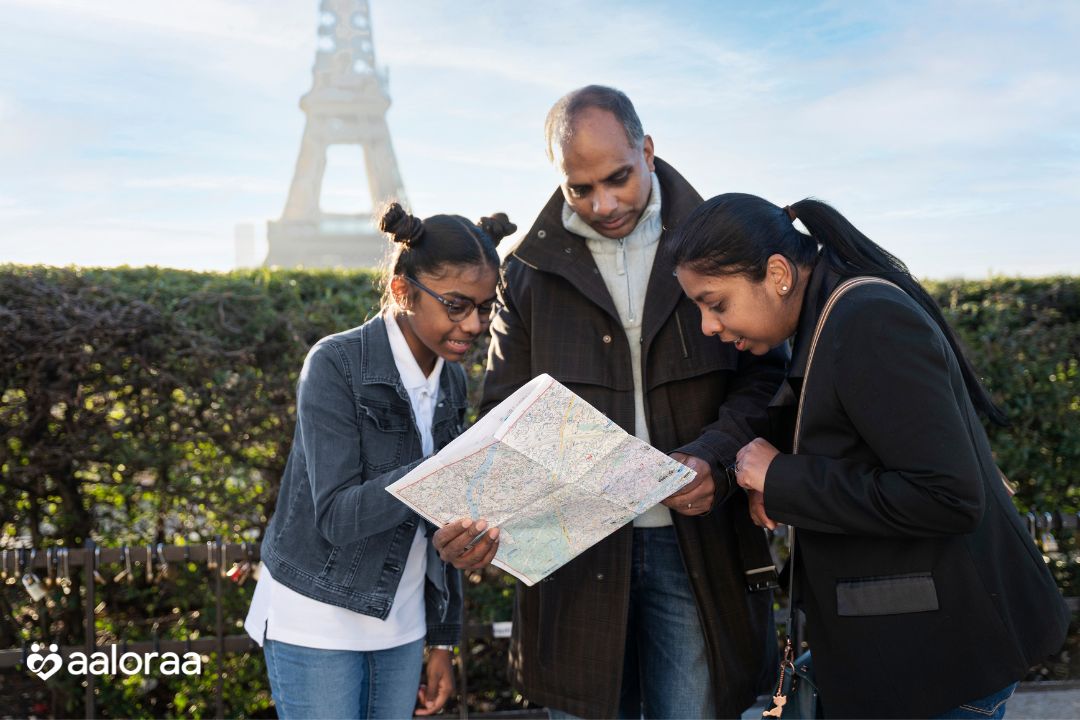
Traveling is probably the most interesting way to learn about different cultures, customs, and lifestyles. However, while planning the travel schedule, arranging for accommodation, and packing up, it is equally vital to know the customs of the place you are traveling to.
Knowing about the cultural etiquette will enable you to avoid misunderstandings, be respectful to local communities, and have genuine connections with those around you. Preparation for the trip beforehand can do wonders for your traveling experience.
Research Local Customs Before You Arrive
Different places have different cultures and etiquette codes. It is possible for you to learn more about how you should behave in such places through some research, especially when meeting or interacting with Hyderabad escorts from different cultural backgrounds.
Discover information about various greeting styles, socially accepted behavior, and other cultural traditions that can be different from those of your own culture. It would be beneficial for you to learn about some local holidays and festivals.
Resources like travel guides, tourism websites, or even blogs by travelers who are familiar with the culture could provide you with valuable insights. The more you know about the culture, the less chance you have of offending anyone unintentionally.
Dress Respectfully According to Local Culture
Dress codes can vary widely across the globe. While one nation may find it perfectly acceptable for an individual to dress casually, another nation may demand that travelers dress up more, especially if they have to participate in any religious or cultural events.
One needs to make sure that there are no special requirements for clothing before setting off on the journey. Lightweight scarves, long pants, and clothes covering one’s shoulders might come in handy when visiting places like temples, churches, and mosques.
Being respectful of local dress codes means that one is showing their respect for the culture as well as blending into the local environment better.
Be Mindful of Greetings and Communication
Small courteous gestures can have a long-lasting effect. All cultures have their own ways of greeting each other, such as shaking hands, bowing, cheek kisses, or folding hands together. For example, when meeting Ahmedabad escorts, understanding and respecting local customs can make interactions more comfortable and welcoming. Learning the correct method of greeting for your destination is an expression of respect and genuine interest.
Understanding basic expressions or words of the local language such as “hello,” “please,” and “thank you” is greatly valued by the locals. Just as important is understanding body language and personal space.
The hand gestures that are totally acceptable in one country may turn out to be an offense in another country. Knowing how the local people interact will help you interact better.
Respect Local Traditions and Public Behavior
Respecting the local culture is not only about conversations. There are several cultural or religious sites that have policies regarding photography, footwear, silent behavior, etc. Ensure that you follow all such policies and instructions.
When attending any festivals, ceremonies, or meetings, always remember that you are the visitor and that you must not interrupt the process or unnecessarily get involved. Good travel etiquette will include being quiet and patient when waiting in queues and conducting oneself well in public places.
Being courteous when interacting with people on an everyday basis is beneficial as it encourages positive interaction and shows respect to the local culture.

Practice Responsible Dining Etiquette
Table manners tend to vary from one country to another. While in some countries meal-sharing is practiced, in other countries individual portions are preferred. There are also societies where particular utensils or even bare hands are used to eat. For example, when dining with Bangalore escorts, being mindful of local dining customs can help make the experience more comfortable and respectful.
Before eating, familiarize yourself with the local customs regarding proper dining etiquette, such as tipping, seating, and behavior during meals. If you are invited inside a person’s home, it is polite to express your gratitude for the meal.
Being open-minded about the local food is another example of cultural sensitivity.
Conclusion
Cultural etiquette may be one of the simplest yet most rewarding ways of becoming a grateful tourist. Through understanding the local customs, dressing well, communicating in a respectful manner, respecting the culture, and observing appropriate dining etiquette, a tourist will not only make their trip more satisfying but will also build lasting relationships with different kinds of people. Every travel experience is much richer when undertaken with curiosity, kindness, and respect, resulting in a memorable experience for both the traveler and the host community.